
Ledger.com/Start® | Getting started — Ledger Support
Explore Ledger.com/start for an easy Ledger wallet setup guide covering device initialization, Ledger Live installation, account creation, security tips, and practical steps for managing crypto assets.
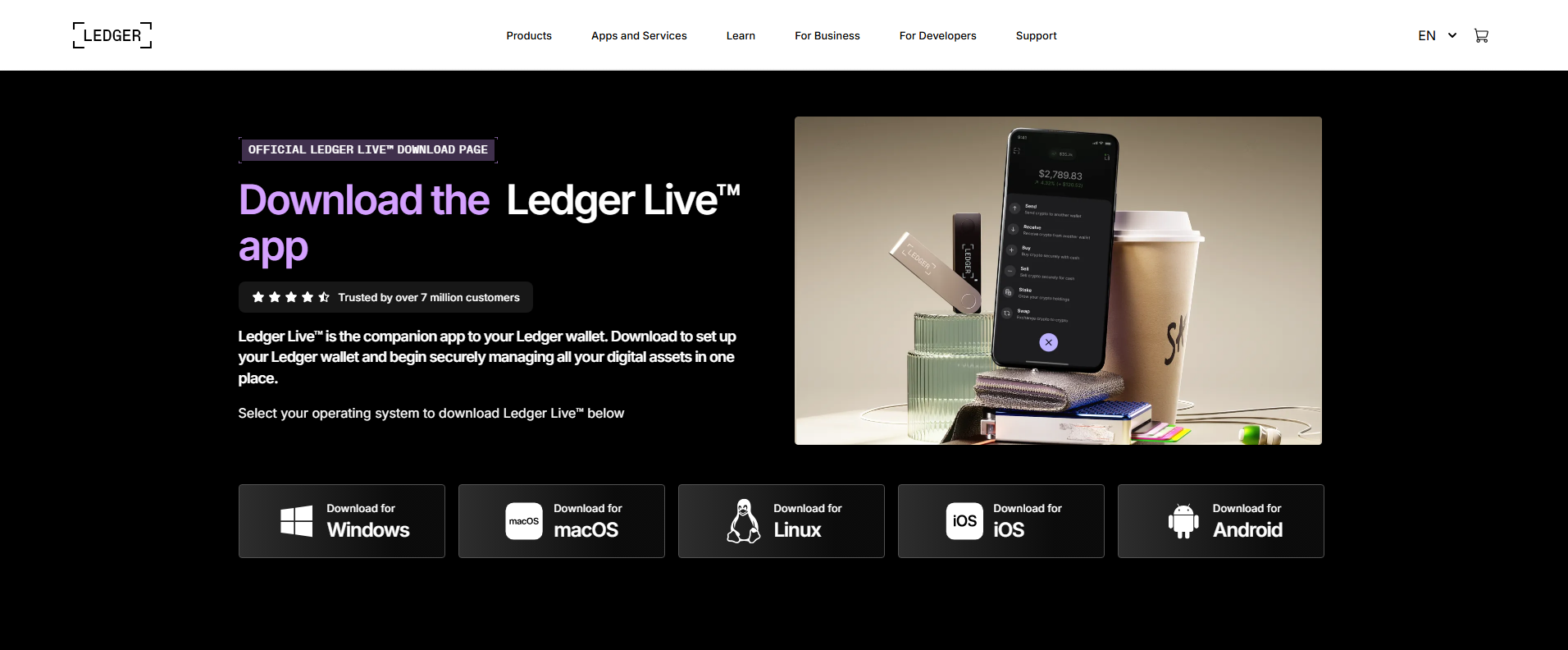
Ledger.com/start: A Simple Guide to Starting Your Ledger Wallet
Cryptocurrency ownership comes with an important responsibility: keeping control of your digital assets secure. While online wallets and exchanges can make buying and selling convenient, many users prefer a hardware wallet for an additional layer of protection. If you have purchased a Ledger device, Ledger.com/start is a useful place to begin learning how to configure it and prepare it for cryptocurrency management.
Setting up a Ledger wallet is not simply a matter of installing an application. You also need to understand the device PIN, recovery information, transaction approvals, and safe wallet-management practices. By taking each step carefully, you can create better habits from the beginning and reduce the risk of common security mistakes.
Understanding Ledger Hardware Wallets
A Ledger hardware wallet is a physical device designed to help protect the private keys associated with cryptocurrency accounts. Your cryptocurrency is not physically stored inside the device. Instead, blockchain networks record ownership, while the hardware wallet is used to protect and authorize access to the relevant private keys.
This design separates important wallet operations from the computer or smartphone you use for everyday internet activity.
For cryptocurrency holders who want to manage their own assets, this can provide a useful security model. However, hardware security is only one part of the equation. The way you handle your recovery information and interact with websites and applications is equally important.
What Is Ledger.com/start Used For?
Ledger.com/start serves as a starting point for users who are setting up Ledger hardware wallets. It helps direct users toward Ledger's official wallet software and setup resources.
Starting from the legitimate Ledger website is particularly important because cryptocurrency users can encounter websites designed to imitate well-known wallet brands. A fraudulent download or fake support page can create serious security problems.
Before entering any information or downloading software, check that you are using Ledger's legitimate website. Avoid relying on links received through unsolicited emails, social-media messages, or unknown support accounts.
Prepare Before Starting the Setup
A little preparation can make the setup process easier. Have your Ledger device available, along with a compatible computer or mobile device and the connection accessories required by your particular model.
You should also choose a private location where nobody can observe the setup process. This is especially important when the device displays confidential recovery information.
Do not photograph or casually copy your recovery words. Treat the setup process as a private security procedure rather than an ordinary software installation.
Install the Appropriate Ledger Software
The companion Ledger Wallet application provides an interface for interacting with a compatible Ledger device. It can be used for supported cryptocurrency accounts and various wallet-management activities.
Always obtain the software from an official Ledger source. Avoid third-party download pages, modified applications, and unfamiliar browser extensions claiming to be associated with Ledger.
Once the application is installed, connect your hardware wallet and follow the instructions provided for your specific device. Because wallet software can change over time, current official instructions are preferable to old tutorials or screenshots found elsewhere online.
Create a Strong Device PIN
During the initialization process, your Ledger device may ask you to establish a PIN. This PIN helps protect the hardware wallet if someone obtains physical access to it.
Choose a PIN carefully and avoid predictable combinations. Do not write it on the same piece of paper as your recovery phrase, and do not store confidential wallet information where another person could easily access it.
When entering or confirming security information, pay attention to the hardware device itself. The physical display provides an important opportunity to verify what you are approving.
Protect Your Recovery Phrase
One of the most important parts of setting up a Ledger wallet is protecting the Secret Recovery Phrase.
The recovery phrase provides a way to restore access to the wallet if the original hardware device is lost, damaged, or unavailable. Because of this, anyone who obtains the phrase may potentially gain control over the associated wallet.
Write the words down exactly as instructed during the legitimate setup process. Keep the backup in a secure location that is protected from unauthorized access.
Never send your recovery phrase to someone through email or chat. Never post it on social media. Avoid storing it in screenshots, cloud notes, ordinary computer files, or other internet-connected locations.
Most importantly, legitimate support should never need your complete recovery phrase.
Verify Transactions Before Approving Them
After your wallet is configured, transaction verification becomes an important everyday habit.
When you send cryptocurrency, carefully check the recipient address, asset, and amount. Do not automatically approve a transaction just because the information shown on your computer appears correct.
Your hardware wallet provides an additional opportunity to review important transaction details before signing. Take a moment to compare what you see and only approve the transaction when the details are correct.
This simple habit can help protect against malicious websites and misleading transaction requests.
Manage Supported Crypto Accounts
Once your device and wallet software are ready, you can add supported cryptocurrency accounts. The exact process and available assets can depend on the Ledger device, software version, and blockchain network involved.
The wallet application can provide tools for viewing balances, managing accounts, reviewing activity, and performing supported transactions.
Remember that cryptocurrency transactions operate on blockchain networks. A confirmed transaction may not be reversible, so carefully checking information before signing is especially important.
Beware of Fake Ledger Support
Scammers frequently target cryptocurrency users by pretending to provide technical assistance.
A stranger may claim that your wallet has a synchronization problem, security issue, or account-verification requirement. They may then ask for your recovery phrase or direct you to a website that looks legitimate.
Do not follow these instructions blindly.
Never reveal your recovery phrase or PIN to anyone. If you believe there is a problem with your Ledger device, access official Ledger support resources directly rather than responding to an unsolicited message.
Keep Your Wallet Environment Secure
Good security does not end after the first setup. Keep your computer and mobile device updated, use reputable security practices, and be cautious when connecting your wallet to unfamiliar websites.
Before approving wallet requests, consider what you are authorizing. If a website unexpectedly requests access or presents an unfamiliar transaction, stop and investigate before continuing.
It is also helpful to keep your recovery backup secure for the long term. A hardware wallet can protect private keys, but losing control of the recovery information can create a serious problem.
Why Official Setup Matters
Searching for “Ledger.com/start” can return numerous pages, advertisements, videos, and third-party tutorials. Some may be educational, but users should be careful about treating every result as trustworthy.
For sensitive cryptocurrency operations, official resources should be the starting point. This reduces the chance of downloading counterfeit software or following outdated instructions.
It also makes it easier to verify information when Ledger changes its software, device features, or security recommendations.
Final Thoughts
Ledger.com/start provides a practical starting point for users who want to configure a Ledger hardware wallet and begin managing supported cryptocurrency assets. The process involves several important steps, from installing the appropriate software and creating a device PIN to protecting the Secret Recovery Phrase and verifying transactions.
The biggest lesson is that cryptocurrency security depends on both technology and personal habits. A hardware wallet can provide an important layer of protection, but users still need to recognize phishing attempts, avoid unofficial software, and keep recovery information private.
Take your time during setup, verify sensitive information directly on your hardware wallet, and never share your recovery phrase. With these basic practices in place, you can approach Ledger wallet management with a clearer understanding of both the technology and the responsibility that comes with self-custody.
Updated about 5 hours ago